Restaurant design isnt about aesthetics alone. Every choice—lighting levels, music volume, chair comfort, table spacing—is calculated to influence how long you stay, how much you spend, and whether youll return.
Understanding these psychological manipulations helps you recognize when design serves the restaurant rather than the diner.
Lighting sets spending pace
Dim lighting creates intimacy and relaxation. You linger longer, order more courses, drink more wine. This works for high-end restaurants where longer stays mean higher bills.
Bright lighting has the opposite effect. It signals casual, quick dining. Fast-food chains use bright lights to discourage lingering and turn tables quickly.
Color temperature matters too. Warm light (2700-3000K) feels cozy and appetizing. Cool light (4000K+) feels clinical and speeds up eating. Most restaurants use warm lighting to make food look appealing and create comfortable atmosphere.
Acoustics control table turnover
Noise level dramatically affects dining duration. Quiet restaurants encourage conversation and longer meals. Loud restaurants make talking difficult, speeding up dining and increasing table turns.
Many casual restaurants deliberately create noisy environments. Hard surfaces, minimal sound absorption, and loud music all contribute. The goal: turn tables faster and serve more customers per night.
High-end restaurants do the opposite. Carpet, acoustic panels, fabric wall coverings, and spaced tables all reduce noise. Comfortable conversation means satisfied guests who stay longer and spend more.
Chair comfort dictates stay duration
Chair comfort directly correlates with dining duration. Comfortable chairs encourage lingering. Uncomfortable chairs encourage leaving.
Fast-casual restaurants often use hard chairs or bar stools. These work fine for 20-30 minutes but become uncomfortable longer. This subtle discomfort encourages diners to leave, opening tables for new customers.
Fine dining restaurants invest in comfortable seating. Upholstered chairs, proper back support, and generous sizing all signal: we want you to stay.
Table spacing affects spending
Tightly spaced tables increase revenue per square foot but decrease per-table spending. When you can hear neighboring conversations, you eat faster and leave sooner.
Generous spacing creates privacy and calm. You cant hear other tables clearly. This encourages relaxed dining, more courses, and higher wine spending.
Some restaurants use hybrid approaches. The bar area might be tight and loud for quick turnover. The dining room has more space for leisurely meals.
Music tempo influences eating speed
Fast-tempo music makes people eat faster. Slow music slows down eating. This effect is unconscious but measurable.
Restaurants use this strategically. Quick-service places play upbeat music. Fine dining plays slower, quieter music or none at all.
Volume matters as much as tempo. Loud music forces faster eating because conversation becomes difficult. You finish your meal and leave to continue talking elsewhere.
Color psychology on walls and plates
Red and orange stimulate appetite and create energy. Many chain restaurants use these colors prominently. They increase food ordering and create lively atmosphere.
Blue suppresses appetite—rare in restaurants for this reason. Cool colors generally create calm but dont stimulate eating like warm colors.
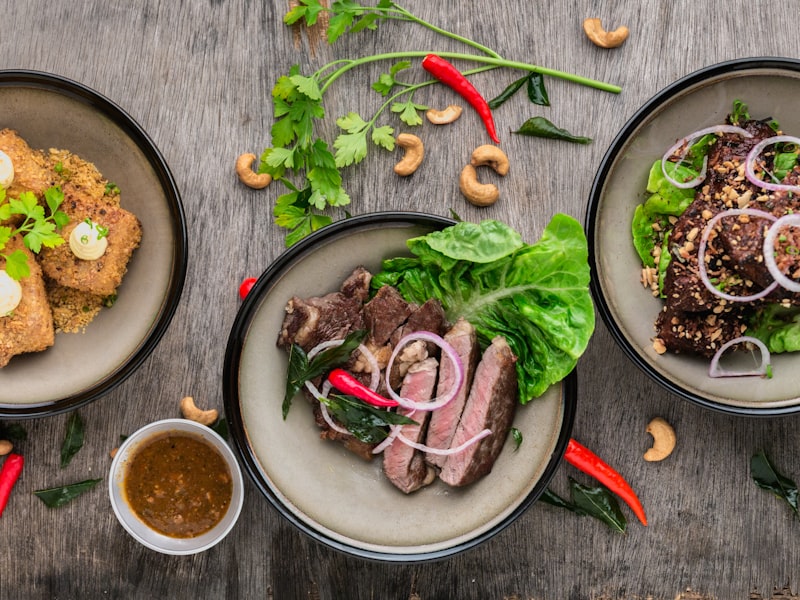
White plates make food look more appealing and create blank canvas for plating. Black plates create drama but can make portion sizes appear smaller.
Temperature manipulation
Slightly cool temperatures encourage faster dining and higher beverage ordering. People compensate for coolness by drinking more and eating more quickly to generate body heat.
Comfortable temperatures encourage lingering. You settle in, enjoy conversation, order another bottle of wine.
Many restaurants run slightly cooler than typical indoor temperatures, especially in dining rooms where high table turnover is profitable.
The open kitchen effect
Open kitchens create theater and transparency. Watching chefs work builds trust and excitement. It also distracts from wait times—entertainment while you wait.
But open kitchens add noise and sometimes kitchen smells. For restaurants where atmosphere is crucial, closed kitchens maintain quieter, more controlled environments.
Strategic menu design
Menu placement and design guide ordering. High-profit items go in the upper-right corner where eyes land first. Boxes and graphics draw attention to specific dishes.
Prices without dollar signs encourage higher spending. Writing $28 instead of $28.00 makes prices feel less significant.
Descriptions matter. Detailed descriptions with origin stories justify higher prices and increase order rates.
What this means for diners
Understanding these techniques doesnt ruin dining experiences. It helps you recognize when design serves the restaurant's interests versus yours.
If you want leisurely dining, choose restaurants with comfortable chairs, soft lighting, and good acoustics. These signal the restaurant wants you to stay.
For quick meals, the opposite cues work—bright lights, hard surfaces, uncomfortable seating all honestly communicate the restaurants intended experience.
The best restaurants align design with service model transparently. Problems arise when design manipulates against stated experience. A restaurant claiming to offer fine dining but using fast-turnover design tricks is being dishonest about its priorities.