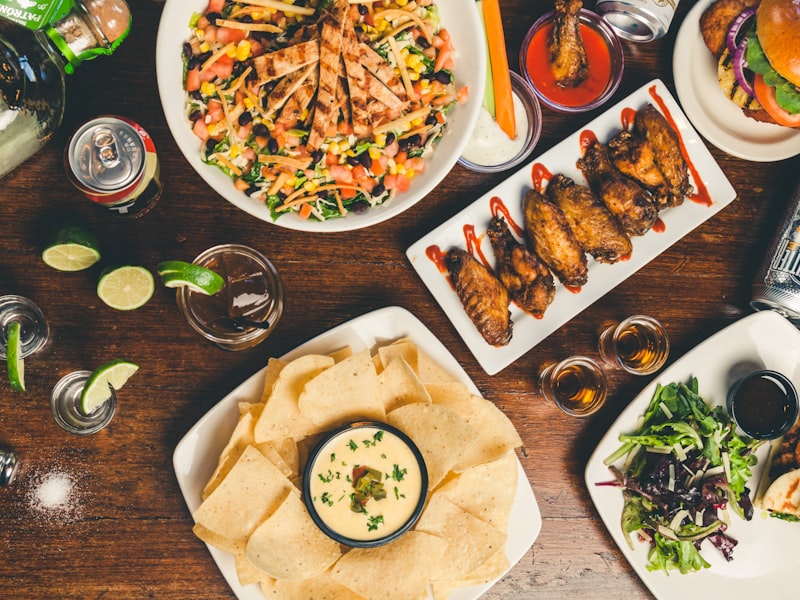
Ask most Americans about Mexican food and theyll mention tacos, burritos, and nachos. These dishes exist in Mexico, but they barely scratch the surface of one of the worlds most sophisticated culinary traditions.
Mexico has dozens of distinct regional cuisines, each with unique ingredients, techniques, and signature dishes. Understanding this diversity transforms how you think about Mexican cooking.
Oaxaca: The land of seven moles
Oaxaca is considered Mexicos culinary capital, known for complex mole sauces that can include 30 or more ingredients. The famous seven moles of Oaxaca range from black mole negro to yellow mole amarillo, each with distinct flavor profiles.
Making mole properly takes days. Chilis get toasted and rehydrated. Spices are ground. Nuts and seeds are toasted separately. Everything combines in specific order to build layers of flavor. The result tastes nothing like jarred mole sauce.
Oaxaca also produces exceptional cheese, chocolate, and mezcal. The cuisine emphasizes indigenous ingredients like hoja santa, avocado leaves, and multiple varieties of chilis found nowhere else.
Yucatan: Mayan influences and pit cooking
Yucatecan cuisine differs dramatically from central Mexican food. Mayan traditions remain strong, and the regions isolation created unique dishes.
Cochinita pibil—pork marinated in achiote and citrus, then wrapped in banana leaves and cooked in underground pits—showcases Yucatecan technique. The pit cooking imparts smoky, earthy flavors impossible to replicate in conventional ovens.
Yucatecan food also features habanero chilis used fresh and pickled, creating intense heat balanced by citrus. The regions Turkish and Lebanese immigration influenced dishes like kibis and pan arabe.
Veracruz: Where Spanish and Caribbean meet
Veracruz, Mexicos major port, absorbed Spanish, Caribbean, and African influences. Seafood dominates, prepared with olives, capers, and tomatoes—ingredients rare in most Mexican regional cooking.
Huachinango a la Veracruzana (red snapper Veracruz-style) exemplifies this hybrid cuisine. Fresh fish gets cooked with tomatoes, olives, capers, and pickled jalapeños. The dish tastes distinctly Mexican but with Mediterranean echoes.
The regions coffee culture is equally important. Lecheros in Veracruz serve cafe con leche poured from height, creating theatrical presentation while mixing milk and coffee.
Puebla: Where complexity meets tradition
Puebla gave Mexico some of its most iconic dishes, including mole poblano—the sauce Americans associate most with mole. This version combines chilis with Mexican chocolate, creating savory-sweet complexity.
Chiles en nogada showcases Pueblan sophistication. Poblano chilis get stuffed with picadillo (ground meat with fruits), covered in walnut cream sauce, and garnished with pomegranate. The red, white, and green colors represent Mexicos flag.
Puebla also specializes in talavera pottery, cemitas (sesame-seeded rolls), and mole de caderas—a seasonal goat and squash stew that represents pre-Hispanic culinary traditions.
Jalisco: Birthplace of iconic foods
Jalisco gave the world tequila, mariachi music, and birria. This western state embodies what many foreigners imagine as quintessential Mexican culture, though its just one regional expression.
Birria—traditionally goat braised in chili sauce—has become international sensation in its quesa-tacos form. But authentic Jaliscan birria is served as soup with the meat on the side, eaten with corn tortillas.
Jalisco also produces carne en su jugo (meat in its juice), tortas ahogadas (drowned sandwiches), and of course, tequila from blue agave grown in specific regions.
Michoacan: Indigenous ingredients shine
Michoacan maintains strong Purépecha indigenous traditions, reflected in its cuisine. The state is known for exceptional fruit, particularly avocados and strawberries.
Carnitas originated here—pork slowly cooked in its own fat until tender. Proper carnitas comes from specific cuts of pork, each with different texture. You order by cut: maciza (shoulder), costilla (rib), nana (uterus), or surtida (mixed).
Michoacan also specializes in lake fish, particularly charales (small fish) and whitefish from Lake Patzcuaro, prepared in ways found nowhere else in Mexico.
Why regional distinctions matter
Understanding Mexican regional cuisines matters because lumping everything together as Mexican food obscures incredible diversity. Its like calling all European food the same.
Each region developed cuisine based on local ingredients, indigenous traditions, and outside influences. Climate, geography, and history created distinct culinary identities.
For cooks interested in Mexican food, exploring specific regional styles provides direction. Instead of trying to learn all Mexican cooking, focus on one region. Master Oaxacan moles or Yucatecan pit cooking. This focused approach yields better results than superficial knowledge of multiple styles.
The challenge of authenticity
Cooking regional Mexican food outside Mexico faces ingredient challenges. Many essential items arent available internationally or require substitutions.
The key is understanding principles rather than following recipes exactly. If you cant get specific Oaxacan chilis, use what's available while maintaining the technique of toasting, rehydrating, and building complex sauces.
This adaptive approach respects tradition while acknowledging practical reality. The goal isnt perfect replication but understanding and applying regional Mexican cooking principles to create flavorful, satisfying food wherever you cook.