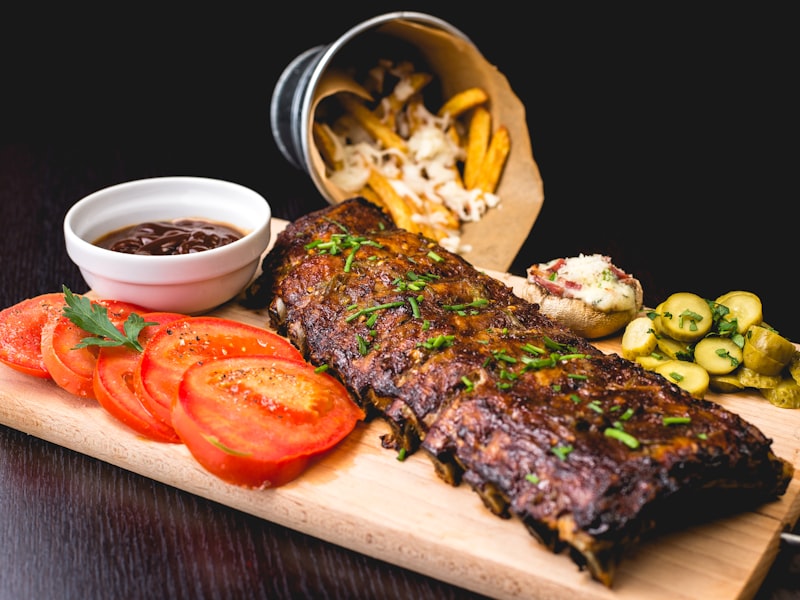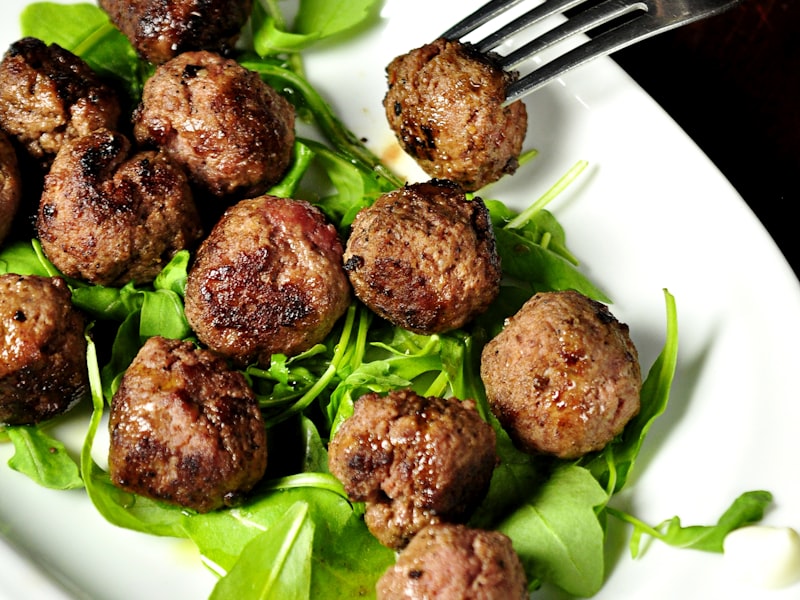
The dining room looks serene. Courses arrive perfectly timed. Plates look like art. The whole experience feels effortless, as if food simply materializes when you're ready for it.
In the kitchen, controlled chaos reigns. Forty cooks work at cramped stations, calling orders back and forth. The expediter orchestrates traffic at the pass, inspecting every plate before it goes out. Temperatures, timing, and presentation must be perfect on hundreds of plates per night.
The pre service ritual
Service doesnt start when the first guest sits down. It begins hours earlier with family meal—staff gathered to eat together before the storm hits. This isnt just about food. Its the moment the team transitions from individuals into a coordinated unit.
After family meal comes lineups—the pre-service meeting where the chef reviews reservations, discusses menu changes, and highlights special requests. Dietary restrictions get called out. VIPs are noted. Everyone confirms they have what they need.
Then stations get final checks. Sauces are heated to proper temperature. Garnishes are arranged within reach. Mise en place—everything in its place—gets verified. A cook might have 30 different components for their station, each requiring precise placement so they can work without thinking during service.
The chef de cuisine walks through, asking questions and checking details. Is the fish properly portioned? Do you have backup if you run out? Whats the timing on that sauce?
How orders flow through the kitchen
When the first table sits, the front of house manager sends the first fire—the command to start cooking. This information reaches the kitchen through a combination of tickets, screens, and verbal communication.
The expediter, often the chef de cuisine or sous chef, stands at the pass calling out orders. Two on table four. Three on table seven. Fire table six. Each station confirms they heard: Heard, Chef.
For tasting menus, timing becomes exponentially complex. The kitchen might be at different points for 15 different tables simultaneously. Table three is on course five. Table eight just sat down. Table twelve is finishing course nine.
The expediter tracks all of this mentally, calling fires so that every course for a table arrives simultaneously despite requiring different cooking times. A piece of fish might take three minutes. A braise might need to be plated immediately. They both need to hit the pass at the same moment.
Communication is survival
A Michelin kitchen during service sounds like controlled shouting. Orders get called constantly. Behind, a cook says before moving through a tight space. Heard confirms understanding. How long? asks when time estimates are needed.
This verbal system exists because written communication is too slow. By the time you read a ticket and process it, 30 seconds have passed. In fine dining service, 30 seconds determines whether fish is perfectly cooked or overdone.
The chef at the pass constantly narrates: Walking fish. Two minutes on mains. Push that course. Fire table nine. This maintains awareness across the entire kitchen. Everyone knows whats happening at every station.
Mistakes get called immediately. If a cook overcooks a protein, they announce it instantly: I need to re-fire salmon for table four. No excuses, no hiding. Transparency allows the expediter to adjust timing for the whole table.
The pass is quality control
Every single plate gets inspected at the pass before going to the dining room. The chef or expediter looks for proper portioning, correct garnishing, appropriate temperature, and flawless presentation.
A smudge on the rim means the plate goes back. An incorrectly placed garnish gets fixed immediately. If the portion looks small, the cook gets questioned. This quality control is uncompromising.
The pass also coordinates plating. For tables with multiple guests, all plates for that course must be ready simultaneously. Cooks might finish their components at slightly different times, but everything waits at the pass until its complete.
Only when the expediter approves do runners take the plates. Even then, they need to move fast. Hot food must reach guests while hot. Cold courses cant sit until they warm up.
Crisis management in real time
Things go wrong during service constantly. Someone drops a plate. The oven temperature spikes. A line cook cuts themselves. A VIP adds another guest at the last minute. The kitchen must adapt without guests noticing.
This is where experience matters. The sous chef might jump on the station for an injured cook. The expediter reshuffles timing for the table that added a guest. A senior cook portions more fish immediately when someone ruins a piece.
The dining room never knows. To guests, service appears seamless. Behind the scenes, the team is constantly problem-solving and adjusting.
The emotional intensity
Fine dining service is physically demanding—standing for six hours, working in heat, moving constantly. But the mental and emotional intensity is even harder.
Cooks are constantly at peak performance, with no tolerance for error. The pressure to be perfect on every plate, for every table, for the entire service creates stress that most people cant comprehend.
This explains why kitchen culture can be harsh. When the margin for error is zero and the pace is relentless, tempers flare. The best kitchens have learned to maintain intensity without abuse, but the pressure remains constant.
The breakdown and cleanup
When the last table finishes, the kitchen shifts into breakdown mode. Stations get cleaned meticulously. Equipment is scrubbed. Floors are mopped. Everything must be spotless before anyone leaves.
Cooks gather whatever they need for tomorrow. Stocks start simmering. Prep work begins for the next day. Even after a grueling service, preparation for tomorrow takes priority.
Finally, usually around midnight or later, the kitchen goes quiet. The team has a beer or a shift drink, decompress for a few minutes, and head home. They'll be back in less than 12 hours to do it again.
This is what happens behind seamless service. The effortless experience diners enjoy is built on precise choreography, uncompromising standards, and hundreds of small decisions made correctly under intense pressure. Its why fine dining costs what it does, and why people who do it successfully deserve respect for pulling off something genuinely difficult night after night.